
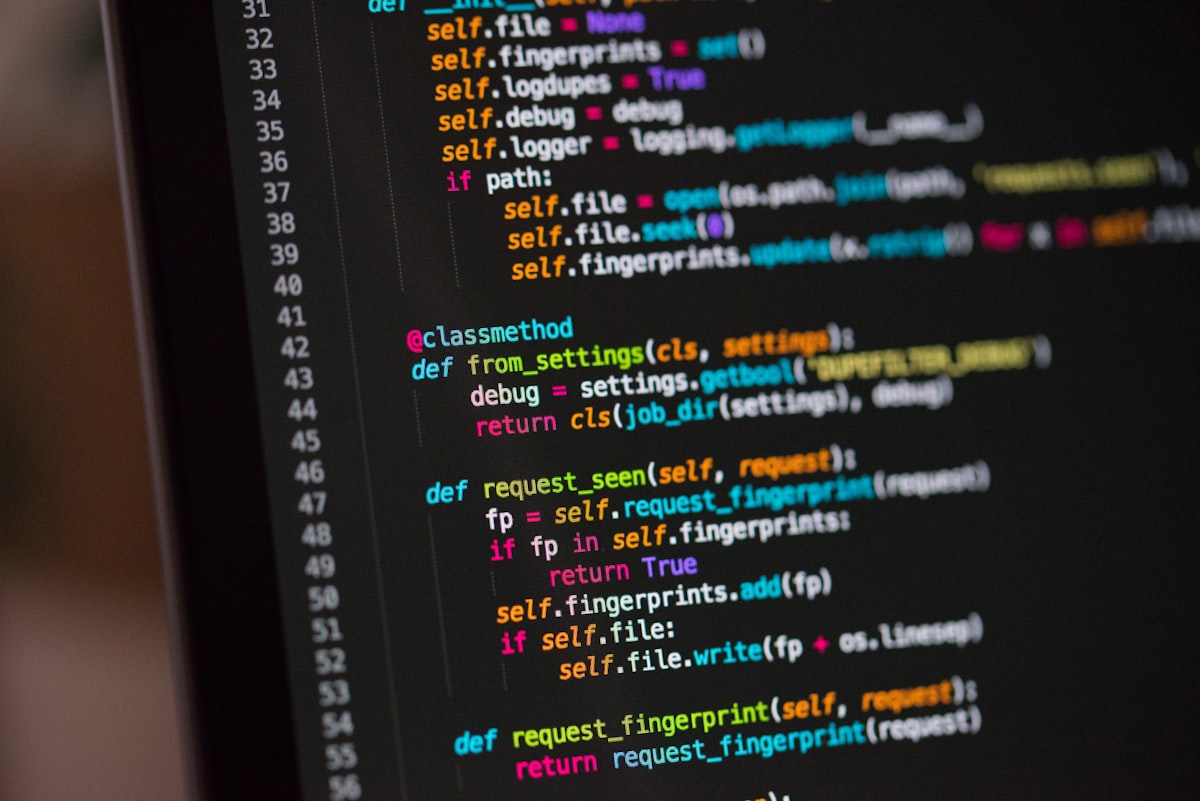
Updated for 2026: Python remains one of the most useful languages for data science, automation, analytics, AI, and web development. Instead of choosing by brand alone, choose by the kind of practice you need.
Choose Python by the Work You Want to Do
Python courses can look similar from the outside, but they serve different goals. A beginner course should help you understand syntax and small programs. A data-focused path should include notebooks, Pandas, NumPy, charts, and real datasets. An automation path should teach files, APIs, scraping, scheduling, and practical scripts.
The best Python bootcamp or course is the one that gets you writing and explaining code, not just watching someone else type it.
Best Python Learning Paths
| Goal | Look for |
|---|---|
| Start from zero | Basic syntax, simple projects, low math prerequisites |
| Data analysis | Pandas, NumPy, notebooks, charts, SQL |
| Automation | Files, APIs, web scraping, scripts, practical workflows |
| Machine learning | Modeling basics, scikit-learn, evaluation, projects |
| Career portfolio | Capstone projects and clear explanations of your code |
Good Starting Options
- Beginner university-style Python courses for fundamentals.
- Interactive platforms for quick coding feedback.
- Project-based bootcamps when you need portfolio examples.
- Data-focused tracks if your end goal is analytics or AI.
Which Python Learning Path Fits Your Goal?
| Goal | Best Starting Path | What to Check Before Paying |
|---|---|---|
| Learn Python from zero | Beginner course with short exercises, plain explanations, and small projects. | Whether it assumes prior coding, math, or command-line experience. |
| Use Python for data analysis | Python plus Pandas, NumPy, notebooks, charts, and basic SQL. | Whether you will clean and analyze real datasets instead of only copying examples. |
| Automate repetitive work | Practical scripts for files, spreadsheets, APIs, web data, and task automation. | Whether examples match the workflows you actually want to automate. |
| Prepare for machine learning | Python foundations plus statistics basics, scikit-learn, and model evaluation. | Whether the course teaches limits, mistakes, and evaluation instead of only model demos. |
| Build a portfolio | Project-based bootcamp or structured path with code reviews or capstones. | Whether your finished projects will be easy to explain to an employer, client, or reviewer. |
What Makes a Python Course Worth Finishing?
- It gets you writing code early and often.
- It includes debugging practice, not only polished final answers.
- It gives you projects that match your goal: data, automation, web development, AI, or fundamentals.
- It explains how to read errors, use documentation, and improve code over time.
- It makes the certificate, portfolio, or completion proof clear before you pay.
Read the DataCamp Review Compare AI and Tech Career Training
How The Course Navigator Compares Python Courses
The Course Navigator compares Python learning paths by practical fit: starting level, hands-on coding practice, project quality, tool coverage, certificate clarity, and whether the course helps learners explain what they built.
Some related pages may include affiliate links, but this refresh is designed to improve the decision process before any paid enrollment, bootcamp, or subscription.
Next Python and Tech Learning Paths
If Python is the right direction, choose the next page based on how specific your goal already is.
- Compare data science courses if Python is part of an analytics or AI goal.
- Compare machine learning courses if you already understand basic Python and want modeling practice.
- Compare free university-style courses if you want to explore before paying.
- Use the Course Finder when you are ready to compare specific course options.
- Get the Free Course Guide if you want a simple checklist before choosing a paid course.
Choose a Python course that matches the kind of work you want to do, then judge it by the projects and practice it helps you finish.