
Affiliate disclosure: The Course Navigator may earn a commission if you buy through links on this page. This does not change the price you pay, and it helps support our independent course reviews.
Quick Verdict
DIY Bike Repair is a practical online course for cyclists who want to understand routine bicycle maintenance, basic repairs, and common upgrade tasks without relying on a bike shop for every small issue. It is a good fit for road, race, and mountain-bike riders who learn well from video demonstrations and want a home-study reference they can return to when a repair comes up.
This is not a professional mechanic certification, and safety-critical repairs should still be handled carefully. But as a hands-on learning resource for everyday bicycle upkeep, it expands The Course Navigator’s practical-skills library in a useful direction.
| Best for | Cyclists who want to learn home bike maintenance and basic repair skills |
| Format | Online video course with illustrated manuals and repair guides |
| Skill level | Beginner-friendly, with some more advanced maintenance and upgrade topics |
| Main focus | Bike repair, maintenance, troubleshooting, and upkeep habits |
| Not ideal for | Anyone seeking formal mechanic certification, live coaching, or guaranteed repair outcomes |
What Is DIY Bike Repair?
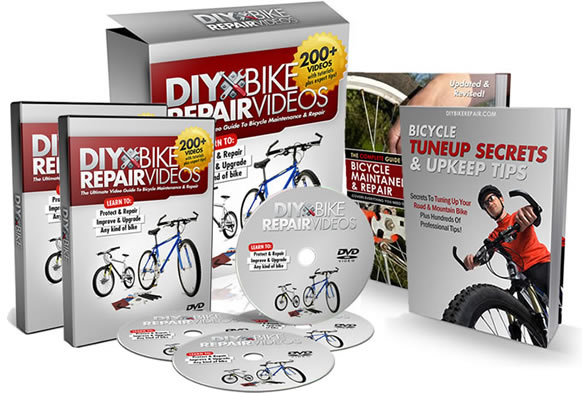
DIY Bike Repair is an online bicycle repair and maintenance course created for riders who want a structured way to learn at home. The sales page describes the program as a library of more than 200 step-by-step videos, roughly 10 hours of instruction, and illustrated repair manuals covering common bicycle systems.
The course is positioned for road bikes, race bikes, and mountain bikes. That makes it broader than a single-topic repair tutorial, especially for learners who want a general reference for cleaning, upkeep, adjustment, and repair procedures.
What the Course Includes
- Step-by-step repair videos for visual learners who want to see procedures demonstrated.
- Illustrated repair manuals that can be referenced while working on a bike.
- Maintenance and troubleshooting lessons for common issues riders encounter.
- Coverage across bike types, including road, race, and mountain bikes.
- Beginner-to-intermediate progression so new cyclists can start with basics before tackling more complex tasks.
Who Should Consider It?
This course is most useful for cyclists who want more independence. If you ride regularly, small maintenance skills can save time, reduce frustration, and make it easier to understand what a mechanic is recommending when a bigger repair is needed.
It can also be a good fit for families with multiple bikes, commuters who depend on their bicycle, hobby riders building confidence, or anyone who wants a practical skill-based course instead of another purely academic class.
Strengths
- Hands-on topic: Bicycle repair is a practical skill with immediate real-world use.
- Video-first learning: Demonstrations are helpful for visual tasks like adjustment, cleaning, and part inspection.
- Broad course library: The program covers more ground than a single repair article or short YouTube clip.
- At-home reference value: Learners can return to lessons when a specific issue appears.
Watch-Outs Before Buying
- It is not a formal certification. Do not treat it as a credential for paid mechanic work unless the seller clearly states otherwise.
- Bike repair still requires tools. Some lessons may be hard to apply without the right basic equipment.
- Safety matters. Brakes, steering, wheels, structural damage, and high-speed riding issues should be handled conservatively.
- The sales page uses strong marketing language. Treat dramatic claims as promotional and judge the course by whether the format fits your learning style.
How to Use It Well
Start with simple maintenance tasks before jumping into complicated repairs. Watch the relevant lesson once before touching the bike, gather the tools, then pause and replay steps as needed. Keep notes on your own bicycle model, component type, and recurring issues so the course becomes a working repair notebook instead of a one-time video library.
For anything involving rider safety, use the course to understand the issue and then get a professional inspection if you are unsure. Learning bike repair is valuable, but guessing on critical components can be expensive or dangerous.
Final Recommendation
DIY Bike Repair is worth considering if you want a structured online course for everyday bicycle maintenance and repair confidence. It is strongest for self-directed riders who like practical video instruction, have or are willing to buy basic tools, and want to reduce dependence on shop visits for small issues.